


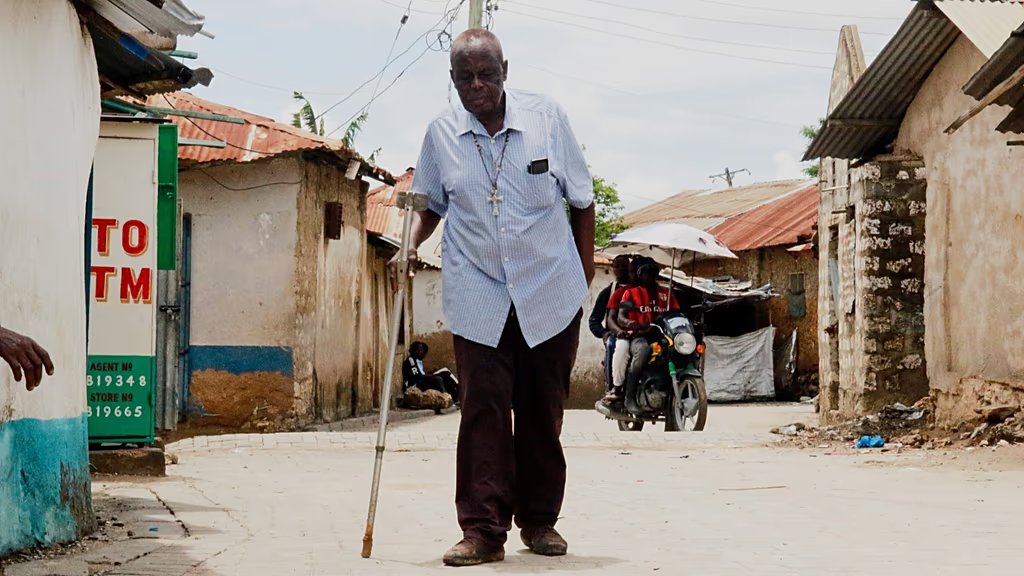
In the coastal city of Mombasa, residents of Owino Uhuru are still suffering years after a lead battery recycling plant shut down. Many say their health has never recovered, with ongoing breathing problems, pain, and long-term damage caused by lead poisoning.
The pollution dates back to 2007, when a factory processed old batteries and released toxic waste into the environment. Even though it closed in 2014, the effects remain. More than 20 deaths have been linked to the contamination, and thousands of residents continue to struggle with serious health issues.
People like Faith Muthama and Alfred Ogulo describe daily life as a constant battle with illness. Lead exposure is especially dangerous for children, as it can affect brain development and cause lifelong health problems.
At the same time, experts warn this is not just a local issue. Across Africa, the growing use of solar energy and batteries seen as a positive step toward clean energy is also increasing the need for battery recycling. Much of this recycling is done informally, without proper safety measures, spreading toxic lead into communities.
A report by the Centre for Global Development highlights that unsafe recycling is becoming more common because proper facilities are expensive. As a result, many workers and residents are exposed to dangerous pollution.
In 2025, Kenya’s Supreme Court awarded compensation to thousands of affected residents, but many say payments have been slow or delayed, leaving victims without the support they need.
Activists argue that stronger regulation and accountability are urgently needed not just locally, but across global supply chains. While some countries are improving recycling systems, unsafe practices remain widespread.
For residents of Owino Uhuru, the issue is deeply personal. Years after the factory closed, they are still waiting for recovery, for justice, and for their suffering to be fully recognized.
Source: Newstimehub


