


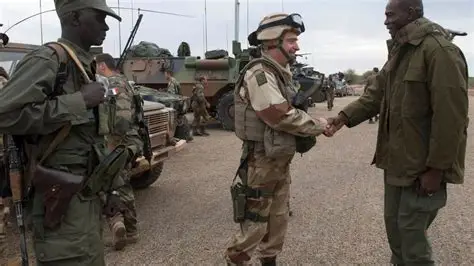
Mali’s military leader Assimi Goïta has said the situation is “under control” after one of the biggest waves of attacks in years shook the territory.
The coordinated assaults, carried out by jihadist fighters and Tuareg separatists, targeted key military positions and even areas near the capital Bamako. In simple terms, two groups that were once rivals have now joined forces against the government.
At least 20+ people were killed in intense fighting, including Defence Minister Sadio Camara. The attackers include the Azawad Liberation Front and the al-Qaeda-linked JNIM.
One of the biggest setbacks for the army was losing control of Kidal, a key northern stronghold. Forces backed by Russia, including paramilitary units, reportedly withdrew from the area.
Goïta appeared publicly after several days of silence, urging citizens to stay calm and united, while promising that military operations are ongoing to restore security.
Meanwhile, jihadist groups have threatened to blockade access to Bamako, raising fears of further instability. Some analysts believe the attacks near the capital may have been a distraction to allow rebels to secure more territory in the north.
Overall, the situation remains tense. While the government claims control, the scale of the attacks and the unusual alliance between armed groups raise serious questions about security and stability in Mali.
Source: Newstimehub


