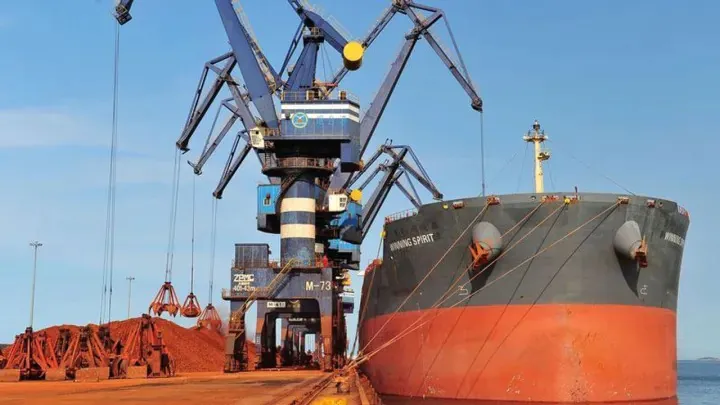



Despite escalating tensions linked to the conflict involving Iran, around 90 vessels—including oil tankers—have crossed the strategic Strait of Hormuz since the start of March, underscoring the complex dynamics shaping global energy flows.
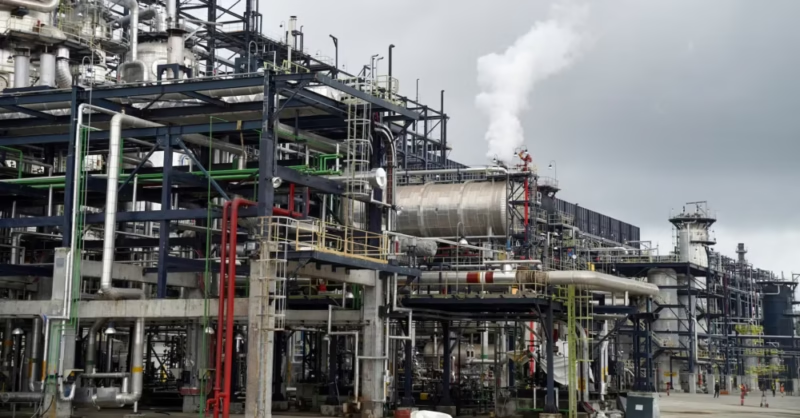
The vital waterway, responsible for transporting nearly one-fifth of the world’s oil supply, has experienced significant disruption following attacks on vessels and heightened regional instability. However, data indicates that Iran continues to export substantial volumes of crude, with shipments exceeding 16 million barrels since early March.
Many of the vessels navigating the strait are reportedly conducting “dark” transits to evade sanctions, often linked to Iranian exports. Others, including ships associated with India and Pakistan, have passed through after diplomatic coordination.
China remains the largest importer of Iranian oil, with some vessels reportedly identifying themselves as China-linked to reduce the risk of being targeted amid the tensions.
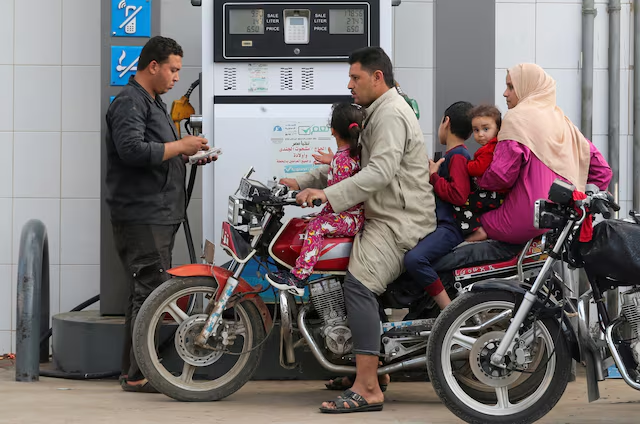
The instability has driven oil prices above $100 per barrel, prompting calls from former US President Donald Trump for allied naval deployments to help secure the route and stabilize global markets.
Analysts describe the situation as a “selective restriction” rather than a full closure, allowing Iran to maintain export revenues while exerting strategic pressure on global energy supply chains.
Meanwhile, the United States has adopted a cautious stance, allowing certain Iranian shipments to proceed in an effort to avoid further price spikes.
The developments underscore the Strait of Hormuz’s critical importance to global energy security and highlight how geopolitical tensions can rapidly disrupt supply chains and impact economies worldwide.
Source: Newstimehub