


Northern Benin is no longer a distant, quiet region overlooked by the rest of the country. It is quickly becoming a frontline where the government is being tested—not just militarily, but socially and economically.
A recent attack on March 4 near Karimama, in the Alibori region, killed 15 soldiers and highlighted how serious the situation has become. But the deeper issue goes beyond violence. The real challenge is whether the state can maintain a strong presence in people’s daily lives—offering security, trust, and opportunities.
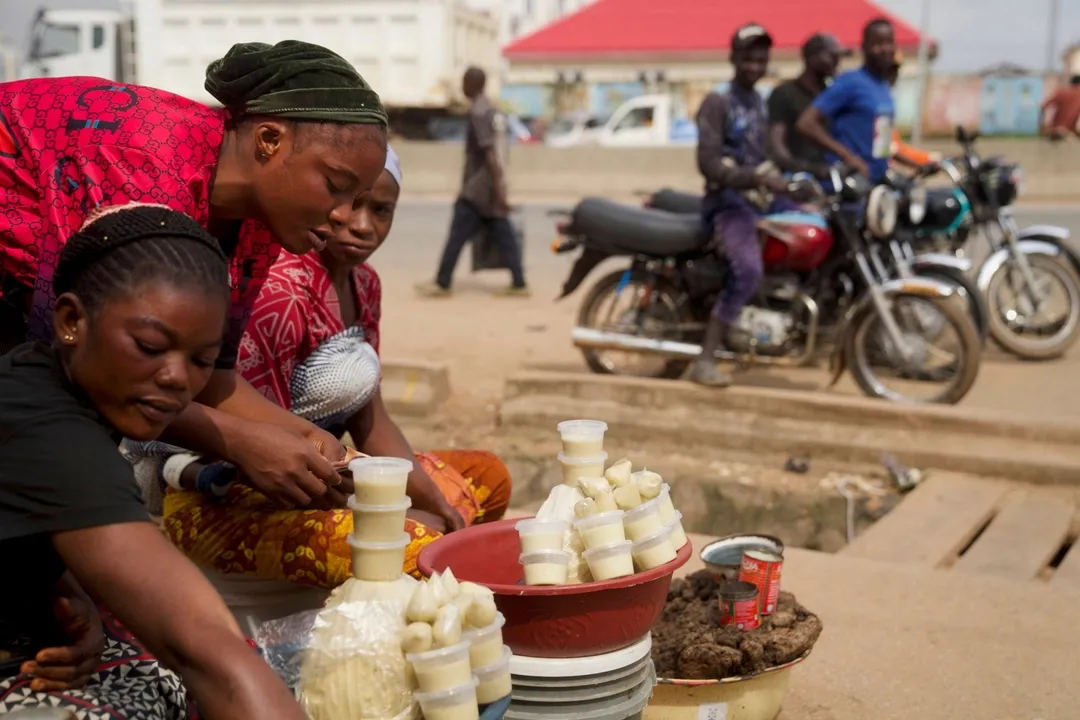
What might seem like small, everyday activities—such as women producing shea butter or local cooperatives organizing themselves—are actually crucial. These efforts create jobs, strengthen communities, and give people a reason to stay and build a future.
In regions facing the spread of extremist violence, the key question isn’t just about fighting with weapons. It’s about whether people feel their lives have value and stability. If communities lack support and hope, outside groups can step in and gain influence.
But when local systems—economic, social, and communal—start to work, even in small ways, they help protect society from falling apart. In that sense, the future of northern Benin depends not only on security forces, but on whether everyday life can remain meaningful and sustainable.
Source: Newstimehub


