

The Republic of the Congo (Congo-Brazzaville) is a Central African country rich in natural resources and biodiversity, yet it continues to face significant economic and social challenges. Here are five key facts that highlight the country’s current realities.
Oil-driven economy
Congo-Brazzaville is the third-largest oil producer in sub-Saharan Africa and began producing liquefied natural gas (LNG) in 2024, mainly for export. The government aims to increase output to 500,000 barrels per day within three years. Oil accounts for around half of the country’s GDP and about 80% of exports, yet nearly half of its six million citizens live below the poverty line, according to the World Bank.
Historical ties with Russia
Since gaining independence from France in 1960, the country has experienced several coups and political crises. A 1969 coup created the People’s Republic of the Congo, a Marxist-Leninist one-party state aligned with the Soviet bloc until 1992. Today, the country maintains strong relations with Russia, expanding cooperation from military and education into sectors such as energy. France and China remain among its key foreign investors.
Low population density
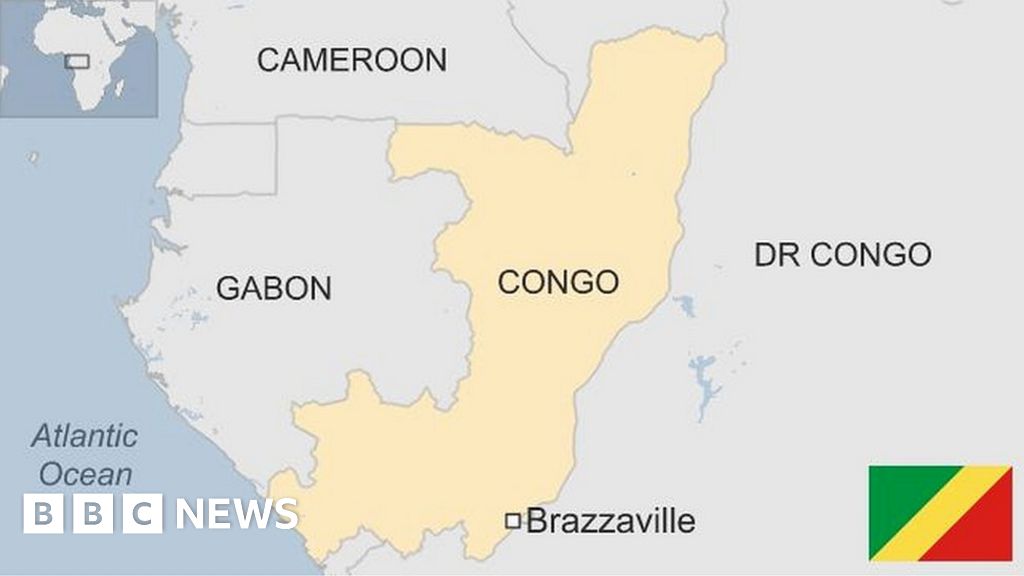
Congo-Brazzaville is one of Africa’s least densely populated countries, with more than half of its population living in the two main cities, Brazzaville and Pointe-Noire. The country also has a very young population, with nearly half under the age of 18. Electricity access remains uneven, with about 67% coverage in urban areas compared to just over 12% in rural regions.
Developing agriculture
Despite having around 10 million hectares of arable land, only a small portion is cultivated, mainly for low-yield subsistence farming. As a result, the country imports much of its food. Authorities aim to boost production of cassava, maize, sorghum and soybeans, while also expanding fisheries and poultry farming to reduce dependence on oil revenues.
Vast tropical rainforest
The Congo Basin, which spans Congo-Brazzaville and several neighbouring countries, hosts the second-largest tropical rainforest in the world after the Amazon. This ecosystem plays a crucial role in global climate regulation, but it faces growing threats. Deforestation in the basin nearly doubled between 2010 and 2020, driven largely by agricultural expansion and infrastructure projects. The region is also one of the most biodiverse areas on the planet, with protected sites like Nouabalé-Ndoki National Park, home to forest elephants, gorillas and endangered chimpanzees.
Source: Newstimehub


