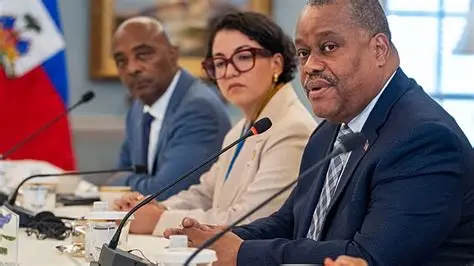
Nigerian and South African diplomats sat down in Abuja on Monday as “brothers” to address a series of anti-foreigner attacks in South Africa.
As high-ranking officials from Abuja and Pretoria met at the Nigerian ministry of foreign affairs, both sides addressed each other as brothers and cited Nigeria’s support for the fight against apartheid.
But the delegations also staked out positions that seemed unlikely to be resolved, with the Nigerian side denouncing Pretoria’s “complicity” in the protests.
“We have records of Nigerians who have legitimate papers to remain in South Africa, yet they have been attacked,” Nigeria’s junior minister for foreign affairs, Sola Enikanolaiye, said before the meeting went into a closed-door session.
Deaths
South African police say at least four foreign nationals have been killed in attacks linked to the anti-migrant protests, though some African governments repatriating citizens have reported a higher toll.
More than 160,000 people have fled the country, according to an AFP tally based on figures from African governments repatriating their citizens, including about 1,500 Nigerians.
Nigeria, as well as Ghana, have been particularly outspoken over the South African government’s handling of the protests.
In some cases, anti-immigrant groups have burst into people’s homes and dragged them into police vans.
‘Acts of criminality’
South Africa’s delegation, meanwhile, said the country was facing “criminality” from immigrants, including drug peddling and wire fraud.
“President (Cyril) Ramaphosa and the government he leads have been outspoken against any intolerance,” said Ronald Lamola, South Africa’s minister for international relations.
He added that the country has the right to “deal decisively with irregular migration, undocumented immigrants — including acts of criminality.”
South Africa, one of the continent’s most industrialised economies, has long been a magnet for both undocumented and documented immigrants seeking employment opportunities.